
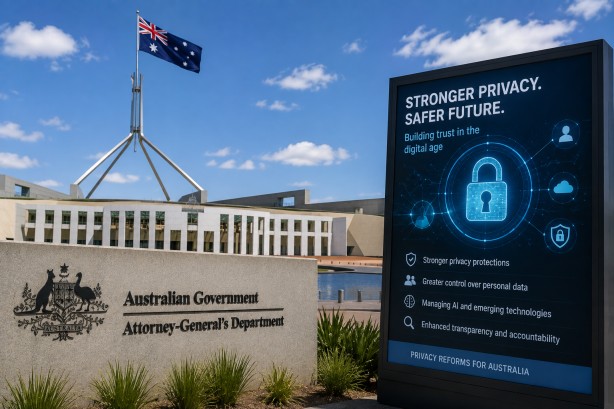
In a push to enhance privacy protections in the digital age, Australia has unveiled proposed changes to its privacy laws. These reforms aim to address concerns stemming from the increasing use of artificial intelligence, facial recognition, and connected devices. Key among the proposals is the introduction of a “fair and reasonable” test that would require organizations to justify the collection and use of personal information. This measure is intended to bolster individuals’ rights, allowing them to more effectively request the deletion of their personal data from large digital platforms.
The government is also focusing on tightening regulations around personal information, particularly in areas involving targeted advertising, data trading, and AI-related activities. By doing so, the reforms seek to grant Australians more control over how their information is collected, used, and shared. The need for such changes is underscored by government research indicating strong public support for increased control over personal data and the legal ability to request its deletion.
An area of particular concern addressed by the proposed reforms is the use of facial recognition technology. This comes in response to heightened regulatory scrutiny over the deployment of biometric information in publicly accessible spaces, such as retail environments. The proposed legislation aims to ensure that the use of such technology is subject to stricter oversight.
The Australian government is currently in the consultation phase regarding these reforms, with the deadline for submissions set for September 18, 2026. As the proposals undergo further consideration, they remain open to adjustments before being finalized. The ongoing public consultation reflects the government’s commitment to crafting legislation that effectively balances technological advancements with the protection of personal privacy.