
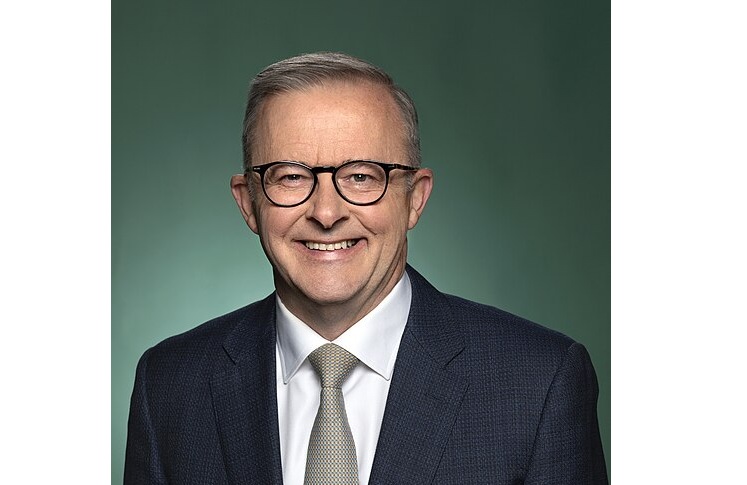
Australia is taking a firmer stance on social media age restrictions by significantly increasing penalties for companies that allow users under 16 to access their platforms. The country’s government announced that fines for serious breaches could now reach up to A$99 million. This decision aims to enforce stricter compliance with existing age restriction laws and bolster the powers of the online safety regulator to scrutinize popular platforms such as Facebook, Instagram, Snapchat, TikTok, and YouTube.
Prime Minister Anthony Albanese emphasized the need for more decisive action, noting that many young users continue to circumvent the age restrictions. Teenagers have reportedly been accessing these platforms via older users’ accounts, creating fake profiles, and employing other techniques to bypass the rules. The government’s new approach will empower the eSafety Commissioner with enhanced authority to demand information from technology companies and third-party services, ensuring they are effectively blocking underage users.
Despite these efforts, the effectiveness of such bans remains a topic of debate. Some research has indicated that young users continue to find ways to engage with social media, with minimal shifts in usage patterns observed since the introduction of the restrictions. These findings suggest that the current measures may not be as impactful as intended.
While technology companies have expressed concerns that imposing strict bans could drive teenagers toward less regulated corners of the internet, proponents argue that these measures are essential for safeguarding young people from potential online risks. The discussion continues as stakeholders weigh the balance between effective regulation and the unintended consequences of stringent controls.