
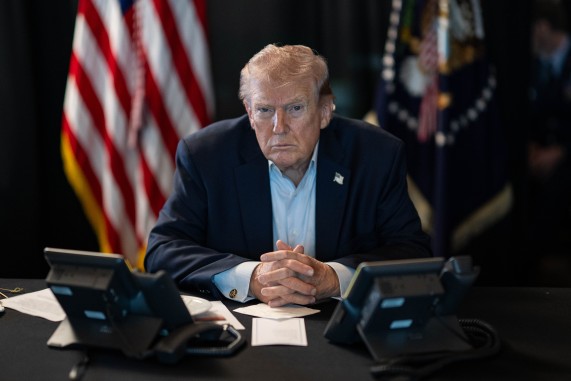
US President Donald Trump has issued a stern warning to European nations contemplating the introduction of digital services taxes aimed at American tech giants. Trump declared that countries implementing such taxes would face a hefty 100% tariff on their imports to the United States, a move that could potentially override existing trade agreements. This announcement comes amid growing tensions over digital taxes that countries like France, Spain, Italy, and the UK are considering against major technology firms, particularly those with substantial earnings from digital markets.
The proposed digital taxes are designed to ensure that large tech companies, including prominent online platforms and search providers, contribute a fair share of tax revenue in the countries where they generate significant income. However, Trump’s threat to impose sweeping tariffs on all goods from these nations adds a new layer of complexity to the already strained trade relations between the US and the European Union. The tariffs, if enacted, would serve as immediate trade penalties, reflecting the ongoing discord over how digital economies should be taxed.
European officials, in defense of the proposed digital taxes, argue that these measures are not targeted at American companies but are equally applicable to all large companies, regardless of their country of origin. They caution that any retaliatory trade actions from the US could provoke a robust response from the European Union, potentially escalating into a broader trade conflict. This standoff underscores the challenges faced by both sides in negotiating a comprehensive trade agreement, with digital taxation being a significant point of contention.
The threat of increased tariffs by the US could significantly impact trade dynamics, adding pressure to ongoing discussions aimed at resolving broader trade disagreements. As both the US and European governments navigate these complex negotiations, digital taxation remains a critical issue that continues to drive a wedge in diplomatic and economic relations. The outcome of these discussions will likely have far-reaching implications for international trade and the global digital economy.