
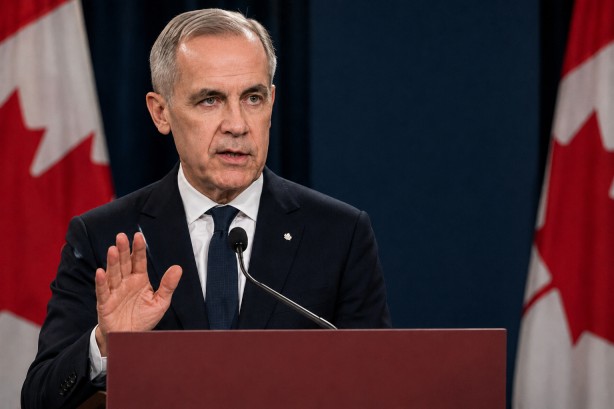
Canada’s Prime Minister Mark Carney has firmly rejected a proposed trade agreement with the United States, citing concerns over provisions that would undermine French language protections. These negotiations recently fell apart, largely due to US negotiators perceiving Quebec’s French-language requirements as potential trade barriers. Carney emphasized the importance of safeguarding the French language as a matter of national rights and identity, and thus, Canada could not accept the terms offered.
This disagreement coincides with the implementation of new US tariffs on Canadian goods, impacting about 5% of Canada’s exports to the US. In response, Canada has announced plans to impose retaliatory measures starting in early September. Quebec, known for its strict language laws that mandate increased use of French in areas such as product labeling and media, has received Carney’s stance positively. Provincial leaders have expressed approval, highlighting the significance of French language and cultural preservation as a top priority.
Amid these developments, US President Donald Trump has continued his criticism of Canada’s trade practices, even threatening additional tariffs on vehicles, auto parts, and steel. Meanwhile, US Trade Representative Jamieson Greer downplayed the notion that French-language protections were a central issue in the trade talks. Instead, Greer pointed out that the main concerns were related to requirements affecting streaming companies and Canadian content regulations.
The impasse over these negotiations has exacerbated the rising trade tensions between Canada and the United States, two nations with longstanding ties. As both countries prepare for further economic actions, the dispute over language protections adds another layer of complexity to their trade relationship. The ongoing disagreements underscore the challenges of balancing national identity with economic interests in international trade discussions.