
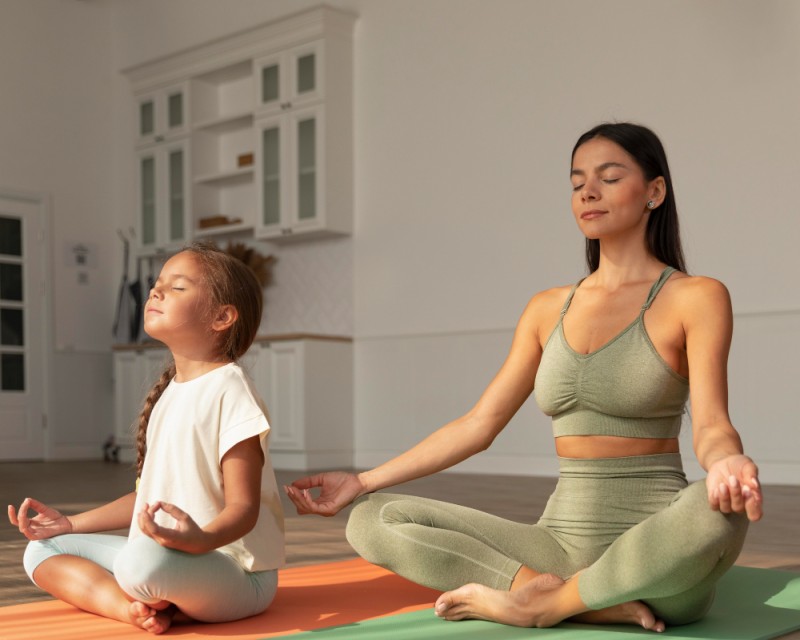
Yoga, an activity that extends beyond physical exercise, plays a crucial role in fostering focus, balance, and emotional well-being in children. By integrating yoga into their routines at a young age, children can cultivate healthy habits, heightened body awareness, and a more serene mindset. In today’s digital age, where screen time often overshadows physical activity, even simple yoga practices can promote movement, relaxation, and mindfulness. Experts advocate for introducing yoga to children through enjoyable and easy movements rather than rigid routines.
Children can embark on their yoga journey as early as 4 to 5 years old with basic, playful exercises. As they progress into the ages of 6 to 12, they can gradually advance to longer poses, breathing techniques, and more structured routines. The emphasis of yoga for children is not on achieving perfection but on enhancing concentration, flexibility, confidence, and awareness of their emotions and thoughts.
Regular yoga practice offers numerous benefits for children. It can improve their flexibility and balance, encourage better posture, and support focus and concentration. Additionally, yoga can help manage stress and emotions, promote relaxation, and foster mindful breathing. These practices provide children with invaluable tools to slow down, stay active, and develop a deeper connection between their body and mind.
Several poses are particularly beneficial for children. The Tree Pose, or Vrikshasana, involves standing on one leg with the other foot placed on the inner leg while extending the arms upward like branches. This pose enhances balance, concentration, confidence, and leg strength. The Cat-Cow Pose, known as Marjaryasana-Bitilasana, involves alternating between arching and rounding the back while on hands and knees, improving spine flexibility, posture, and breathing control. The Butterfly Pose, or Baddha Konasana, requires sitting with the soles of the feet together and gently moving the knees like butterfly wings, promoting flexibility and stretching the hips and legs. Lastly, the Child’s Pose, or Balasana, involves sitting back with arms stretched forward, allowing children to relax, release tension, stretch the back, and practice calm breathing.
Integrating yoga into daily routines can become a positive habit for children, aiding them in staying active while nurturing patience, focus, and inner tranquility. Establishing a simple yoga routine early on can significantly support their physical and mental development, setting a foundation for healthier growth.