
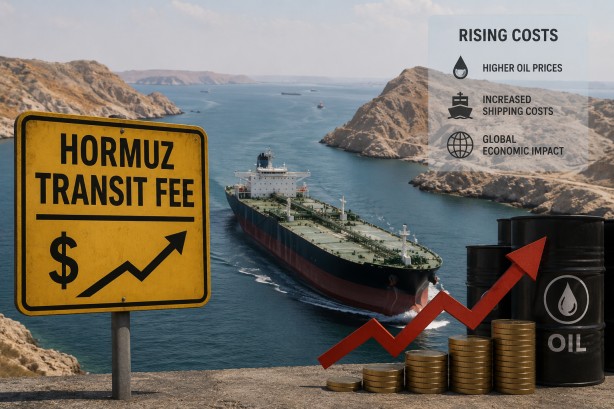
Iran and Oman are proposing to implement transit fees for ships navigating the Strait of Hormuz, a move that could escalate costs in the global energy trade while establishing a highly lucrative maritime revenue source. The proposed fee could be around $1 per barrel of oil transported through this vital passage. With Brent crude prices hovering near $86 per barrel, the fee would amount to approximately 1.2% of the oil’s value.
The Strait of Hormuz is a critical corridor for global shipping, facilitating about 20% of the world’s oil consumption. Analysts estimate that the proposed transit fee could generate about $6.8 billion annually, outstripping the revenue from the Suez Canal’s transit fees. Despite appearing minimal, experts caution that these additional shipping costs may lead to higher fuel prices, impacting air travel, freight rates, and worldwide goods importation costs.
Proponents of the fee suggest that a clear fee structure might be a less expensive alternative to the disruptions or temporary closures of the Strait, which have historically led to spikes in energy prices and market instability. Nonetheless, there are concerns about the long-term stability and enforcement of such a proposal.
The potential rise in transit costs is prompting Gulf nations to explore alternative export routes. The United Arab Emirates is investing in pipelines and ports outside the Strait, and Saudi Arabia is boosting its East-West pipeline capacity to lessen its dependence on the Hormuz passage.
Analysts suggest that these infrastructure enhancements could gradually decrease the oil volume passing through the Strait, possibly limiting the long-term financial gains from the proposed transit fees. As countries in the region seek to diversify their export channels, the strategic importance of the Strait of Hormuz might shift, affecting future revenue expectations tied to the new fee structure.